Custom 3mm Tempered Glass Control Panel
This comprehensive guide explores 3mm tempered glass control panels for appliances, covering custom fabrication processes, silk-screen printing customization, material advantages over plastics, and technical benefits for display interfaces. Learn how toughened glass enhances durability and user experience in household appliances.
Swimming Pool Glass Mosaic Tile
In modern appliance manufacturing, the control interface serves as both functional centerpiece and design statement. As manufacturers seek to balance aesthetic appeal with operational reliability, 3mm tempered glass has emerged as the premium choice for display control panels. This in-depth exploration reveals why toughened glass panels outperform traditional materials while offering unparalleled customization potential.
1. Understanding Tempered Glass Fundamentals
The Science Behind Toughening
Tempered glass undergoes a specialized thermal treatment process where:
-
Standard glass sheets are heated to 620-650°C
-
Rapid air-quenching creates surface compression
-
Internal tension balances structural stresses
This process transforms ordinary glass into safety glass with:
-
4-5 times increased impact resistance
-
400°C+ thermal stability
-
Breakage pattern safety (crumbles into granular pieces)
Why 3mm Thickness?
The 3mm specification (≈1/8") strikes the ideal balance:
-
Maintains structural integrity for control panel applications
-
Allows backlighting penetration for LED displays
-
Supports precise capacitive touch responses
-
Compatible with standard appliance form factors
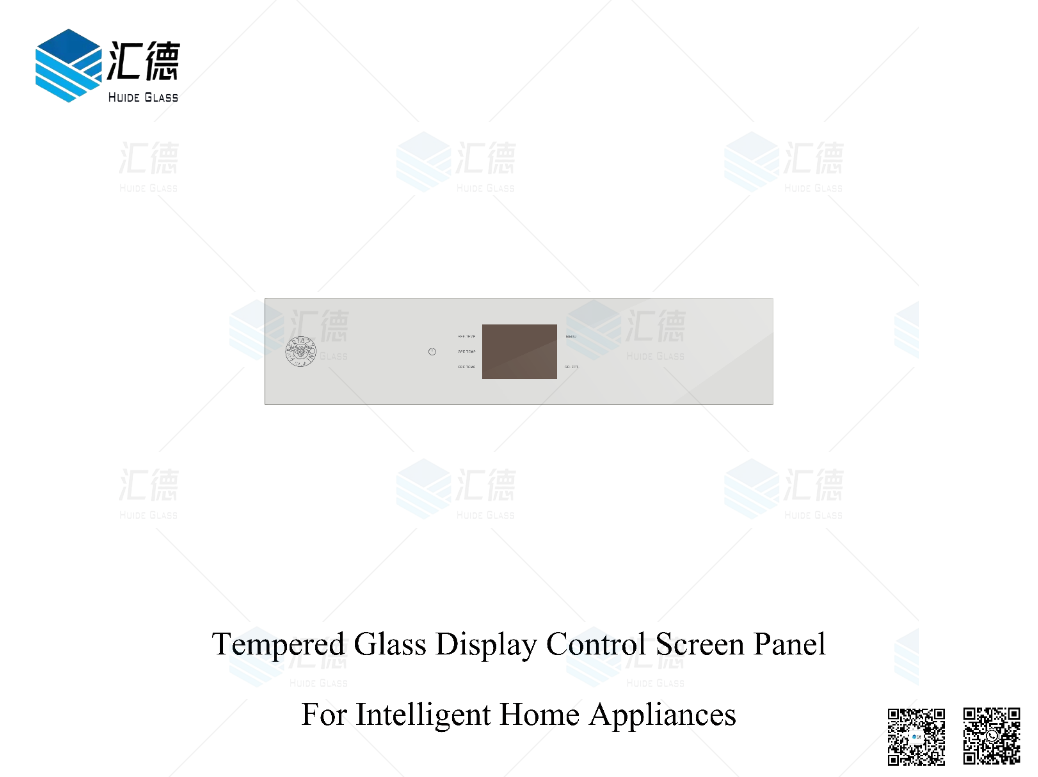
2. Custom Size Fabrication Process
Precision Cutting Capabilities
Our CNC cutting systems handle:
-
Straight-line cuts: 100mm to 1200mm lengths
-
Complex geometries: Radius corners, notches, cutouts
-
Tolerance: ±0.2mm for perfect component alignment
Edge Working Options
-
Flat polished edges - Seamless modern appearance
-
Pencil-round edges - Enhanced safety profile
-
Beveled edges - Premium decorative finish
Thermal Tempering Considerations
Post-cutting treatments ensure:
-
Uniform stress distribution
-
Elimination of micro-fractures
-
Consistent optical clarity
3. Silk-Screen Printing Customization
Technical Specifications
-
Resolution: 100-200 lines/inch
-
Ink Layer Thickness: 12-25μm
-
Color Matching: Pantone system compliance
Functional Printing Applications
-
Iconography: Tactile button identifiers
-
Branding: Logo integration
-
Functional Markings: Temperature scales, mode indicators
-
Decorative Elements: Patterned borders
Durability Enhancements
-
UV-cured inks withstand:
-
50,000+ cleaning cycles
-
80°C continuous heat exposure
-
Chemical resistance to household cleaners
-
4. Performance Advantages Over Alternatives
Material Comparison Matrix
| Characteristic | Tempered Glass | Polycarbonate | Acrylic |
|---|---|---|---|
| Scratch Resistance | 9H pencil | 3H pencil | 4H pencil |
| UV Stability | Non-yellowing | Yellowing >2yrs | Clouding |
| Surface Hardness | 6-7 Mohs | 2-3 Mohs | 4 Mohs |
| Thermal Limit | 280°C | 135°C | 90°C |
User Experience Benefits
-
Premium tactile feedback
-
Smudge-resistant surface
-
Consistent capacitive response
-
Optical clarity (92% light transmission)
5. Application-Specific Engineering
Household Appliance Integration
-
Microwave ovens: Withstands steam and heat cycling
-
Oven control panels: Resists baking splatters
-
Refrigerators: Maintains clarity in humid environments
-
Washing machines: Immune to detergent corrosion
Technical Compliance
-
IEC 60417 standards for control symbols
-
UL 963 certification for safety glazing
-
REACH compliance for food contact surfaces
6. Quality Assurance Protocol
Our 12-step inspection process includes:
-
Raw material verification
-
Post-tempering stress pattern analysis
-
Optical distortion testing (<0.1%)
-
Print adhesion cross-hatch testing
-
Simulated 10-year wear modeling
7. Design Partnership Approach
Collaborative development services:
-
3D prototyping with AR visualization
-
DFM (Design for Manufacturing) analysis
-
Thermal expansion modeling
-
EMI shielding integration
8. Environmental Considerations
-
100% recyclable material
-
Low-VOC manufacturing process
-
30% lighter than metal alternatives
Conclusion
For appliance manufacturers seeking to elevate product quality while maintaining design flexibility, 3mm tempered glass control panels deliver unmatched technical performance and customization potential. From precision-cut dimensions to brand-specific silk-screen detailing, this advanced material solution addresses both engineering requirements and aesthetic aspirations in modern appliance design.
Contact our glass engineering team today to discuss your next control panel project.
