Which Offers Better ROI: New vs. Refurbished Pharmaceutical Equipment?
This article compares the ROI of new versus refurbished pharmaceutical equipment, highlighting the advantages and disadvantages of each option. It discusses cost savings, regulatory compliance, environmental impact, and reliability concerns to help pharmaceutical companies make informed decisions that optimize their investment returns.
Content Menu
â— supplier YUANSEN
â— New Pharmaceutical Equipment
>> Advantages
>> Disadvantages
â— Refurbished Pharmaceutical Equipment
>> Advantages
>> Disadvantages
â— ROI Comparison
â— Conclusion
>> Frequently Asked Questions
â— Citations:
The pharmaceutical industry is a highly competitive and capital-intensive sector, where investing in the right equipment can significantly impact a company's return on investment (ROI). Pharmaceutical equipment, whether new or refurbished, plays a crucial role in ensuring the quality and efficiency of drug production. However, the decision between purchasing new and refurbished equipment often hinges on several factors, including cost, reliability, and regulatory compliance. In this article, we will delve into the pros and cons of both options to determine which offers a better ROI.
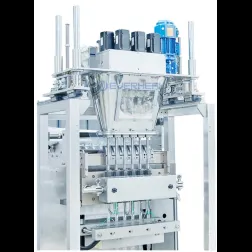
Overview of Pharmaceutical Equipment
Pharmaceutical equipment encompasses a wide range of machinery and devices used in the manufacturing, testing, and packaging of pharmaceutical products. This includes everything from reactors and mixers to tablet presses and packaging lines. The quality and reliability of this equipment are paramount to ensuring that pharmaceutical products meet stringent regulatory standards and are safe for consumption.
New Pharmaceutical Equipment
Advantages
New pharmaceutical equipment offers several advantages:
- Warranty and Support: New equipment typically comes with a comprehensive warranty and dedicated customer support from the manufacturer. This can provide peace of mind and reduce downtime in case of malfunctions.
- Latest Technology: New equipment often incorporates the latest technological advancements, which can improve efficiency, reduce labor costs, and enhance product quality.
- Regulatory Compliance: New equipment is designed to meet current regulatory standards, reducing the risk of non-compliance and associated penalties.
- Aesthetics and Brand Image: New equipment can enhance the facility's appearance and contribute to a positive brand image.
Disadvantages
Despite these advantages, new equipment also has some drawbacks:
- High Initial Cost: The cost of purchasing new equipment can be prohibitively expensive, straining the budget of smaller or startup companies.
- Depreciation: New equipment depreciates rapidly, which can impact financial statements and tax liabilities.
- Environmental Impact: The production of new equipment contributes to environmental waste and resource consumption.
Refurbished Pharmaceutical Equipment
Advantages
Refurbished pharmaceutical equipment offers several benefits:
- Cost Savings: Refurbished equipment can be significantly cheaper than new, providing substantial cost savings that can be reinvested in other areas of the business.
- Environmental Sustainability: Refurbishing equipment reduces electronic waste and the demand for new manufacturing, making it a more environmentally friendly option.
- Quick Availability: Refurbished equipment is often readily available, reducing the lead time associated with purchasing new equipment.
- Potential for Upgrades: Refurbished equipment can sometimes be upgraded with newer components, allowing access to advanced technology at a lower cost.
Disadvantages
However, refurbished equipment also has some potential drawbacks:
- Reliability Concerns: There may be concerns about the reliability and lifespan of refurbished equipment, especially if it has not been properly certified or tested.
- Limited Warranty: Refurbished equipment often comes with limited or no warranty, which can pose a financial risk if repairs are needed.
- Regulatory Compliance: Ensuring that refurbished equipment meets current regulatory standards can be challenging and requires careful vetting of suppliers.
ROI Comparison
When comparing the ROI of new versus refurbished pharmaceutical equipment, several factors must be considered:
- Initial Investment: The initial cost of refurbished equipment is generally lower, which can provide immediate cost savings.
- Long-term Costs: While new equipment may require less maintenance initially, refurbished equipment can offer long-term cost savings if properly maintained and upgraded.
- Regulatory Compliance: Both new and refurbished equipment must meet regulatory standards, but new equipment is inherently designed to comply with current regulations.
- Environmental Impact: Refurbished equipment offers environmental benefits by reducing waste and resource consumption.
Ultimately, the decision between new and refurbished equipment depends on the specific needs and priorities of the pharmaceutical company. For companies with limited budgets or those seeking to reduce their environmental footprint, refurbished equipment can offer a compelling ROI. However, for companies prioritizing the latest technology and comprehensive warranty support, new equipment may be more suitable.
Conclusion
In conclusion, both new and refurbished pharmaceutical equipment have their advantages and disadvantages. The choice between them should be based on a thorough analysis of cost, reliability, regulatory compliance, and environmental impact. By carefully considering these factors, pharmaceutical companies can make informed decisions that optimize their ROI and support their long-term goals.
---
Frequently Asked Questions
1. What are the primary advantages of purchasing new pharmaceutical equipment?
- New equipment offers comprehensive warranties, the latest technology, and compliance with current regulatory standards. It also enhances the facility's appearance and brand image.
2. What are the main benefits of choosing refurbished pharmaceutical equipment?
- Refurbished equipment provides significant cost savings, environmental sustainability, quick availability, and the potential for upgrades. It is often preferred by companies with limited budgets or those seeking to reduce environmental impact.
3. How does refurbished equipment impact regulatory compliance?
- Refurbished equipment must meet current regulatory standards, which requires careful vetting of suppliers and thorough testing to ensure compliance.
4. What are the potential drawbacks of refurbished pharmaceutical equipment?
- Refurbished equipment may have reliability concerns, limited warranty coverage, and requires careful supplier selection to ensure quality and compliance.
5. How does the environmental impact differ between new and refurbished equipment?
- Refurbished equipment reduces electronic waste and the demand for new manufacturing, making it a more environmentally friendly option compared to purchasing new equipment.
---
Citations:
[1] https://elitebiomedicalsolutions.com/resources/blog/how-does-refurbished-biomedical-equipment-compare-with-new-assets/
[2] https://www.linkedin.com/pulse/why-refurbished-medical-equipment-smart-investment-dipen-barua-pcwlc
[3] https://avantevet.com/learn/buying-guides/comparing-new-refurbished-and-certified-restored-equipment
[4] https://www.globenewswire.com/news-release/2023/01/13/2588397/28124/en/Insights-on-the-Refurbished-Medical-Equipment-Global-Market-to-2027-Players-Include-Amber-Diagnostics-Apt-Medical-Systems-Avante-Health-Solutions-and-Block-Imaging.html
[5] https://medparts24.com/blog/the-value-of-refurbished-medical-equipment-a-comprehensive-guide-for-hospital-decision-makers-b60.html
[6] https://www.needle.tube/resources-31/Benefits-and-Drawbacks-of-Purchasing-Refurbished-Medical-Equipment-for-Hospitals-in-the-United-States
[7] https://auxomedical.com/2024/08/the-benefits-of-refurbished-medical-equipment/
[8] https://elitebiomedicalsolutions.com/resources/blog/pros-cons-pre-owned-biomedical-equipment/
[9] https://sageservicesgroup.com/refurbished-patient-monitoring-equipment-dont-sacrifice-quality-for-cost/
[10] https://www.ihealthcareanalyst.com/refurbished-remanufactured-medical-devices-market-trends/
[11] https://www.lqa.com/resources/5-key-reasons-why-purchasing-refurbished-lab-equipment/
[12] https://www.linkedin.com/pulse/pros-cons-used-refurbished-medical-equipment-amit-dhaniya
[13] https://coastbiomed.com/2024/12/30/choosing-between-new-and-refurbished-biomedical-equipment-what-you-need-to-know/
[14] https://ptmedicaltechnologies.com/blogs/news/cost-analysis-of-purchasing-new-and-used-medical-equipment
[15] https://www.karmanhealthcare.com/pros-cons-buying-used-medical-stuff/
[16] https://thomasprocessing.com/you-deserve-the-maximum-roi-out-of-your-pharmaceutical-machinery/
[17] https://www.needle.tube/resources-31/Key-Considerations-for-Purchasing-Refurbished-Medical-Equipment-in-the-United-States
[18] http://www.kbdentalconsulting.com/blog/top-6-pros-and-cons-of-used-and-refurbished-medical-equipment/
[19] https://www.linkedin.com/pulse/new-vs-pre-owned-medical-equipment-which-option-right-philip-harris-b8hbc
[20] https://imagpros.com/imaging-equipment/the-difference-between-refurbished-used-medical-imaging-equipment
---
Hot Tags: China, Global, OEM, private label, manufacturers, factory, suppliers, manufacturing company